
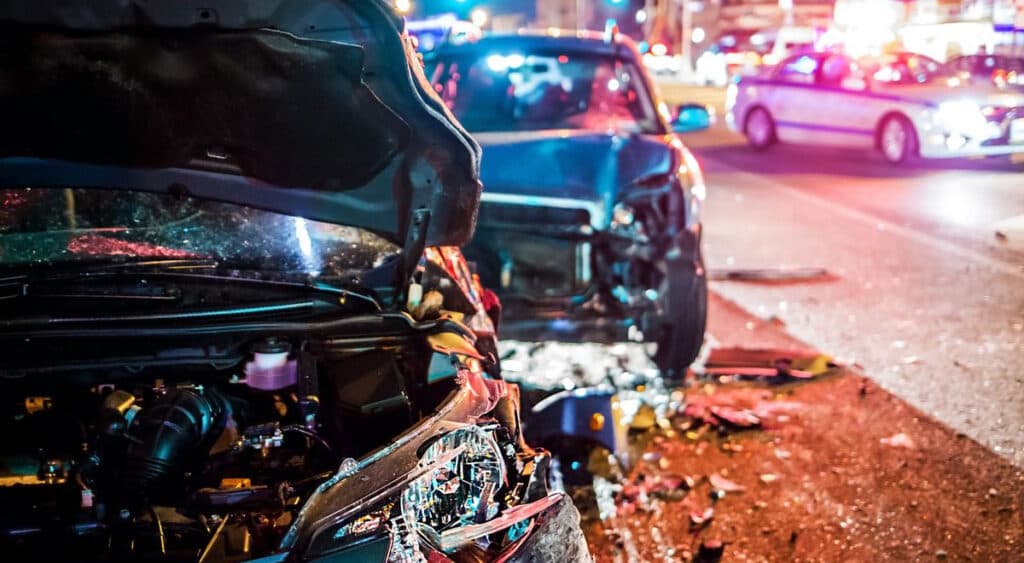
The full checklist: safety, getting help, collecting evidence, filing a claim, and when to call an attorney.
So you were involved in a car accident. Now what?
Whether you were in a minor fender-bender or a major accident, there are steps you are legally required to take after any wreck to avoid liability and ensure all parties are compensated fairly. Here is a checklist.
1. Safety First
Stop the car. The law requires you to stop your vehicle at the scene of an accident, even if it was a minor fender-bender or just a scrape. Leaving the scene is considered a hit and run, which is punishable as a crime.
Move your car, if safe to do so. As long as it's safe and the accident involved minimal damage and no injuries, move your car to the side of the road. Leave the car where it is if it's too damaged to be driven, too dangerous to move, or if police have been called due to serious injuries. If possible, take photos before you move the car.
2. Get Help
Check for injuries. Check yourself and your passengers. If anyone requires immediate medical attention, call an ambulance.
Call the police, even for a minor accident. They'll probably respond only if there are injuries or serious damage, if one party claims another committed a violation (e.g., driving under the influence), or if a driver fled the scene.
3. Collect Information
Gather insurance and contact information. When talking with the other parties, do not discuss the accident. Just focus on getting contact information (names, addresses, phone numbers) and take photos of the drivers' licenses and insurance cards.
Do not admit fault. Never admit the accident was your fault, even if you think it was. Never discuss the accident with the other driver. Even just saying "I'm sorry" could be misconstrued as an admission of guilt.
Talk to witnesses. Find eyewitnesses as soon as possible. Ask them to describe what they saw and record their statements as a video on your phone or as a written statement. At the very least, get their names, addresses, and phone numbers.
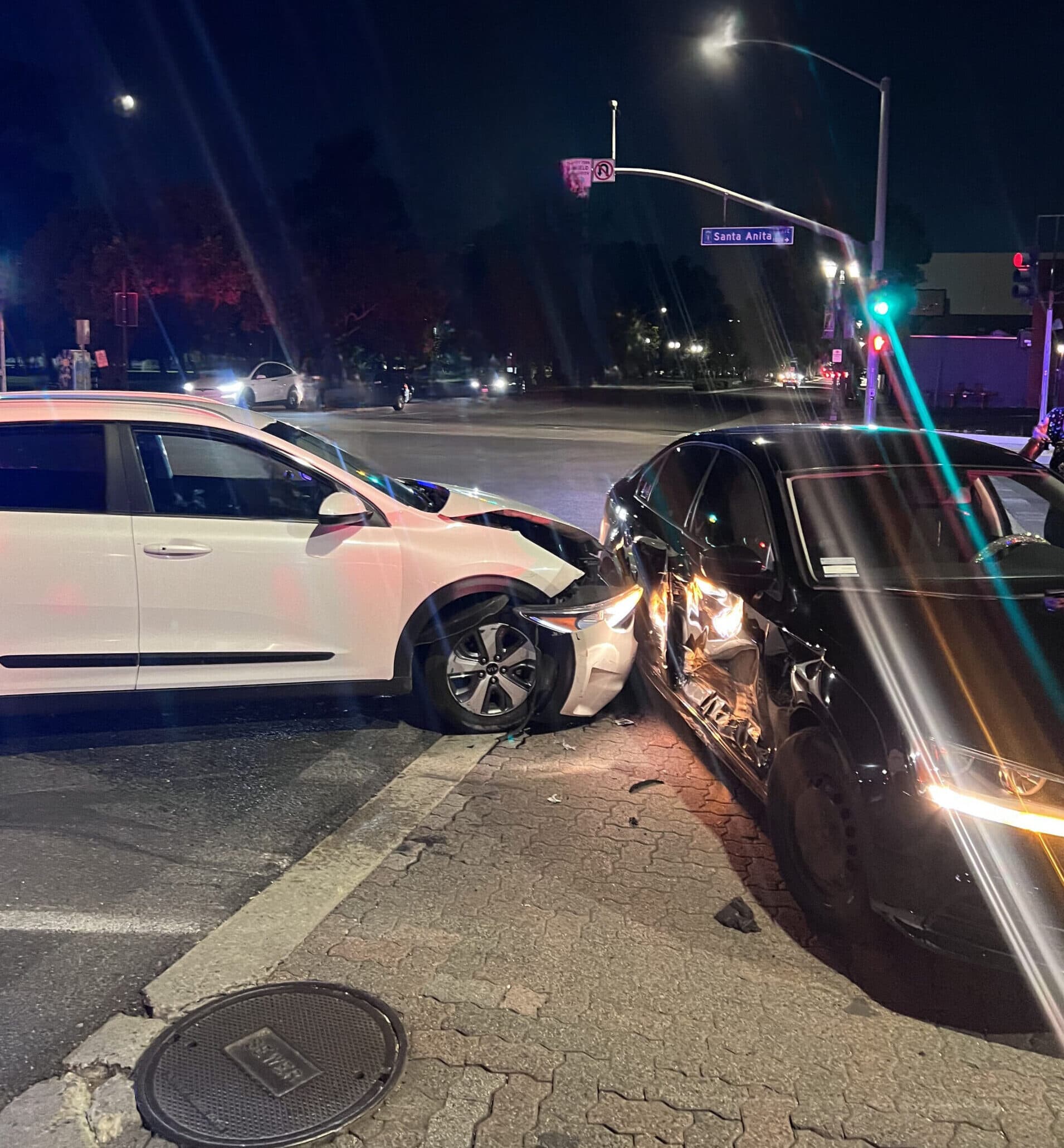
Take photos and video of the scene. This is critical. Pictures can show what caused the accident and the extent of damages and injuries. If safe to do so, take pictures before you move the cars. Otherwise, move them to a safe location, then photograph:
- Positions of the cars and damage
- License plates and vehicle identification numbers (VINs) of all vehicles
- Damage to any surrounding items
- Visible injuries to anyone involved, including yourself
- The surrounding scene: road signs, traffic signals, street lights, view obstructions, lane markings, skid marks (or lack of them), potholes, road conditions, weather, and sun glare
- Video to show the flow of traffic and changing traffic lights
Get the police report number. If police are coming, wait for them so you can give your version of events for the report. Write down or photograph the report number, officer names, and badge numbers.
Statement from the other driver (with consent). If police aren't coming, you may attempt to get a statement from an at-fault driver if they are willing. Record a video of them giving the statement, or have them write and sign one.
4. File a Claim
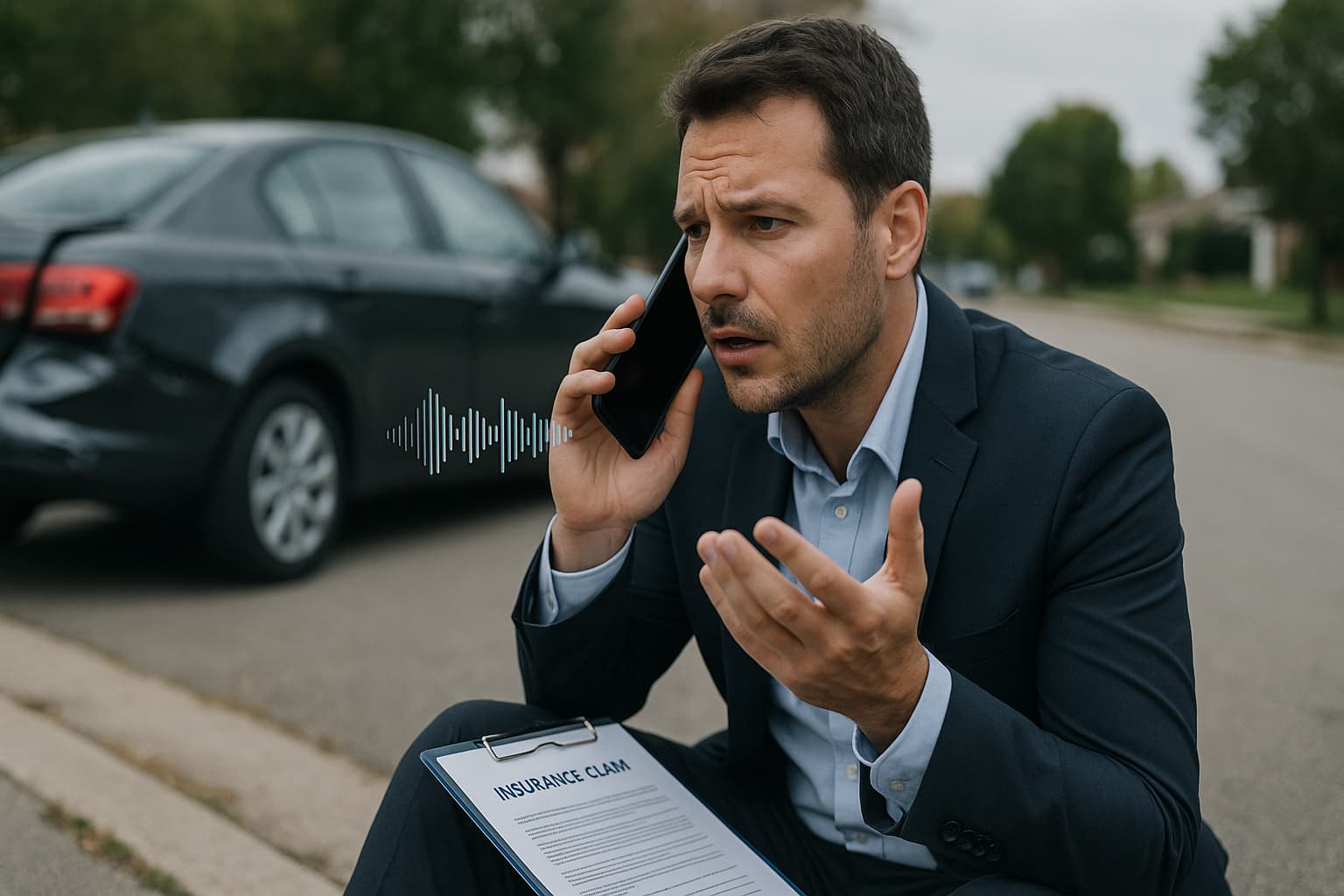
Report the accident to your insurance company only. Call your insurer as soon as possible to describe your version of the accident. Provide the adjuster with all documentation, statements, contact information, and photos. Do not speak to any other party's insurer about your accident. Speak only to your insurance company or law enforcement regarding the details.
5. Contact an Attorney if You Are Injured
If you are hurt, don't go at it alone. Studies found that a claimant represented by legal counsel nets (after medical bills and attorney fees are paid) in excess of three times more money than if they handle their own claim.
Research the lawyers in your area. Choose an attorney or firm with significant experience and a track record of going toe to toe with the insurance companies. Look at what former clients say about their experience.
By following these recommendations, you can help your case and your potential lawyer determine the facts and collect vital evidence. You can never gather too much information after a car accident.
Have you been injured in a car accident? Let our office get you the maximum compensation you deserve. Call us now.

No Fee Unless We Win
Ready to talk about your case?
Every consultation is free, confidential, and obligation free. Tell us what happened, and we’ll tell you exactly where you stand.